In this video, you will learn step by step, how to create new goals or strategies, and how to report progress on those goals / strategies.
Becoming a “signatory”
In this video you will learn how to Become a Signatory (first step to start contributing to the dashboard platform).
Creating an Account
In this video you will learn how to create an account in The Planning Dashboard Platform
Why 2050?
This initiative (PLANNING2050) is a long-term vision to transform planning practice within a generation. Our focus will be aligned to current US administration goals to be carbon neutral by 2050.
This alignment is intentional to draw a line and sense of urgency for commitments and goals that governmental agencies generate.
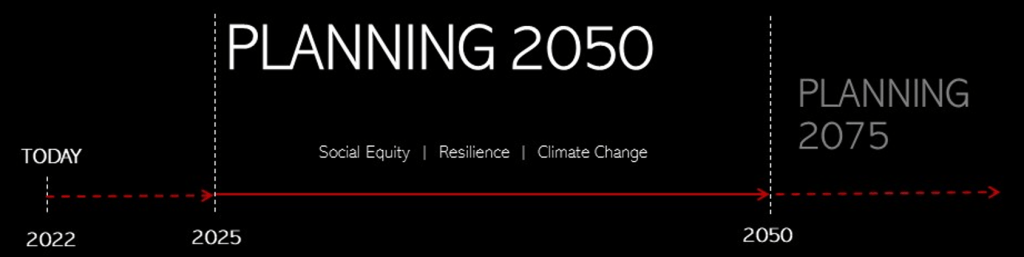
When this initiative approaches 2050, an update will be necessary to readjust the focus on the top priorities by 2075.
Our focus is to find solutions for issues related to climate change, resiliency and social equity.
These are 3 of the top priorities for today’s generation of planners and designers of the built environment.
Large Impact Scalable / Replicable Actions
LISAs and LIRAs are 2 acronyms for specific type of ACTIONS.
To understand the importance of LISAs and LIRAs, and what they measure, it is important first to understand the following analogy for SYSTEMS THINKING.
A graphite pencil and a Diamond are both carbon based forms. They are both carbon atoms with the only difference that the interconnections between these atoms (the way these atoms “hold hands”), generates different results.
Cities & Communities are composed of different atoms (transit, schools, people, parks, etc.) The way these “atoms” interconnect and relate to each other is what generates different results.


LISAs and LIRAs are ACTIONS that define a metric and interconnectedness between 2 or more systems.
These actions can generate different results in separate cities and communities, but some of these can actually be replicable and scalable.
PLANNING2050 recognizes the need for exploration of these ACTIONS which are the substructure and “bonds” between separate systems.
For many generations, planning practice has tried to “fix” the unintended consequences of our actions. With PLANNING2050 we will be able to monitor and steer the needle in the appropriate direction.
Planning for ACTION
Through specific strategies and meaningful actions, communities successfully transform and evolve. Many of these communities struggle with issues that are in place due to their systems at play, and specific circumstances.
Planning 2050 is designed to identify harmful practices in planning, recognizing the connections between separate systems. Through a 3 step process, this initiative aims to successfully evolve and transform planning practice, with actionable strategies that generate positive outcomes for issues related to social equity, climate change, and resiliency.
Transforming Planning Practice
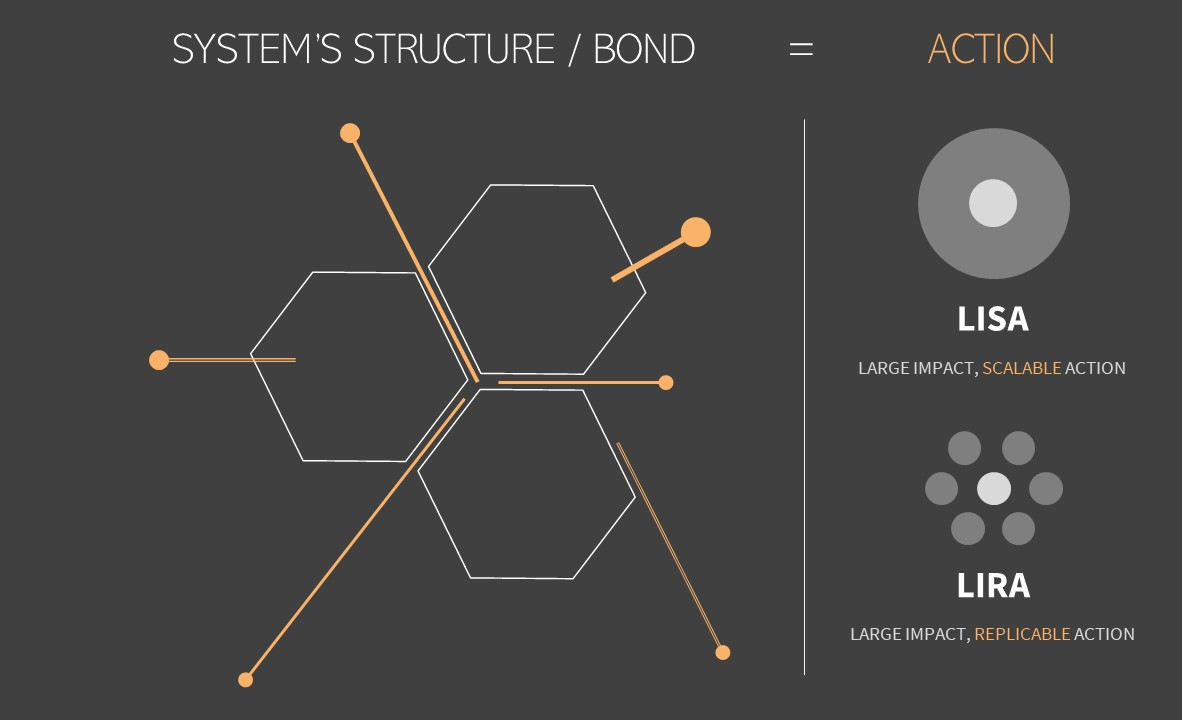
The interconnection of systems and recognition of this interrelated DNA is the scientific approach to Urban & Community Planning that Planning2050 aims to better understand.
 THE PLANNING CHALLENGE